INTERVIEW
Vee Pandey | 21/12/2025
The wry mix of self-awareness and defiance defines the U.S.-born, Irish-American singer-songwriter Casey McQuillen who has spent years building a career across Europe from the back of a tour van. Opening for “everyone your mum loves” - from Kelly Clarkson to James Morrison - she’s turned precarious support slots into genuine fan connections, playing the Palladium four times and watching YouTube followers from her teens show up in German arenas a decade later. On stage, she thrives in the chaos: “Being a support act is simultaneously the most humbling and the most ego-boosting thing you can do,” she says. No dedicated crew, just vans and shifting plans, but 30 minutes to set the night’s tone and all upside if it lands.
Raised Irish Catholic in the U.S., with a grandfather who sailed two weeks from Donegal and an uncle who was a priest, Casey grew up negotiating the gap between doctrine and lived experience. She talks about religion in the same way she talks about pop culture: as a system of images and stories that shape how people understand purity, power and who gets to take up space.
That lens is part of why she takes Taylor Swift so seriously, hearing evangelical metaphors in lines like the “crumpled piece of paper” in “All Too Well” and reading them as narratives about sexual purity and shame. “I have a degree in songwriting, I graduated summa cum laude, so if my expertise isn’t relevant, why ask me in the first place?” she says, noting that dismissing Swift on autopilot often feels less like a musical taste issue and more like a refusal to take women’s work seriously.
When Casey boarded a flight to the UK eighteen months ago, she thought she was the first in her family to leave home alone for a new life. Somewhere over the Atlantic she realised she was replaying the journey of generations of Irish and Irish‑American relatives who had once crossed by boat, choosing “hope over fear” in the same way she was now chasing a career in pop.
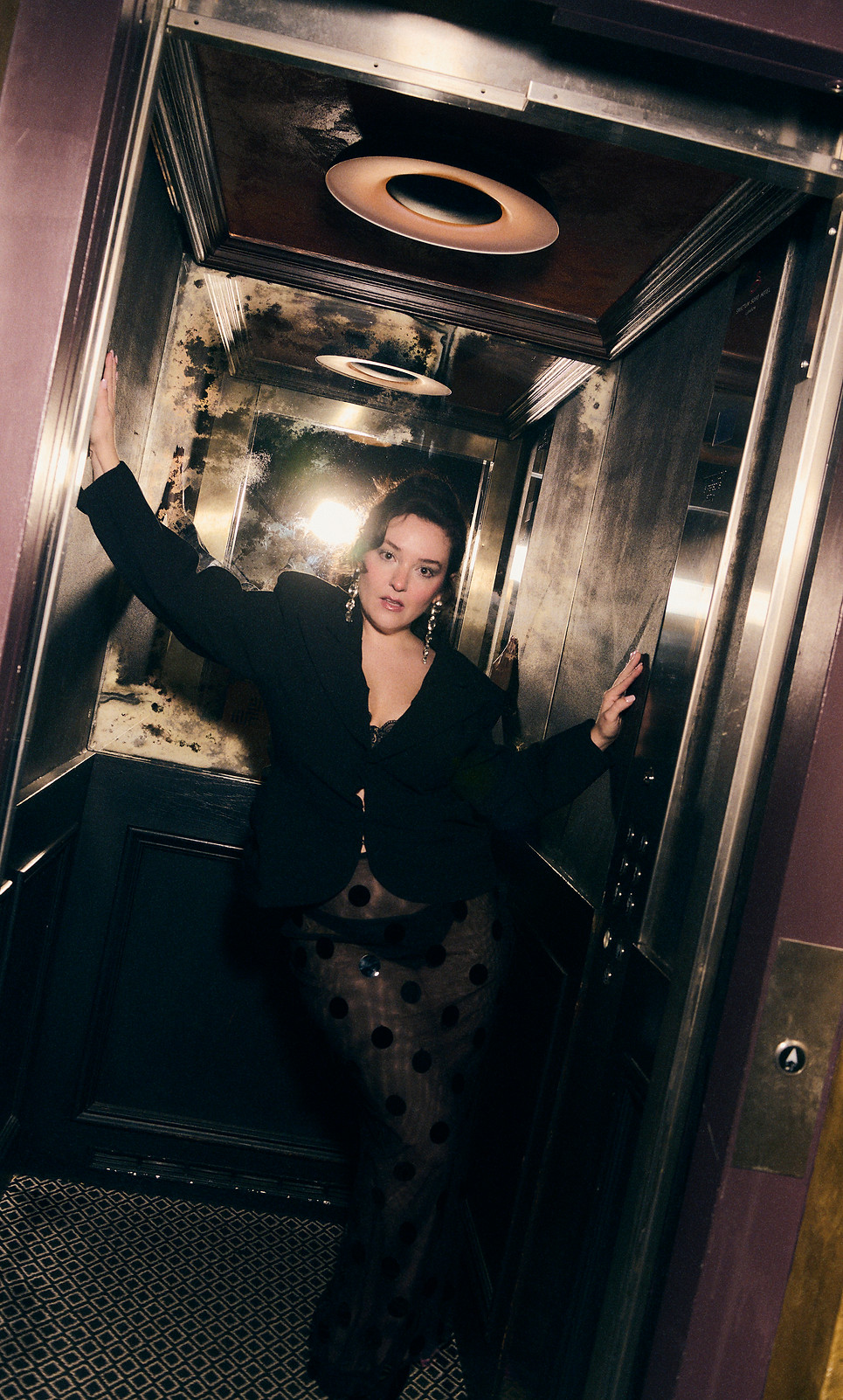
Blazer, Pretty Little Thing. Skirt, Pretty Little Thing. Shoes, Pretty Little Thing.
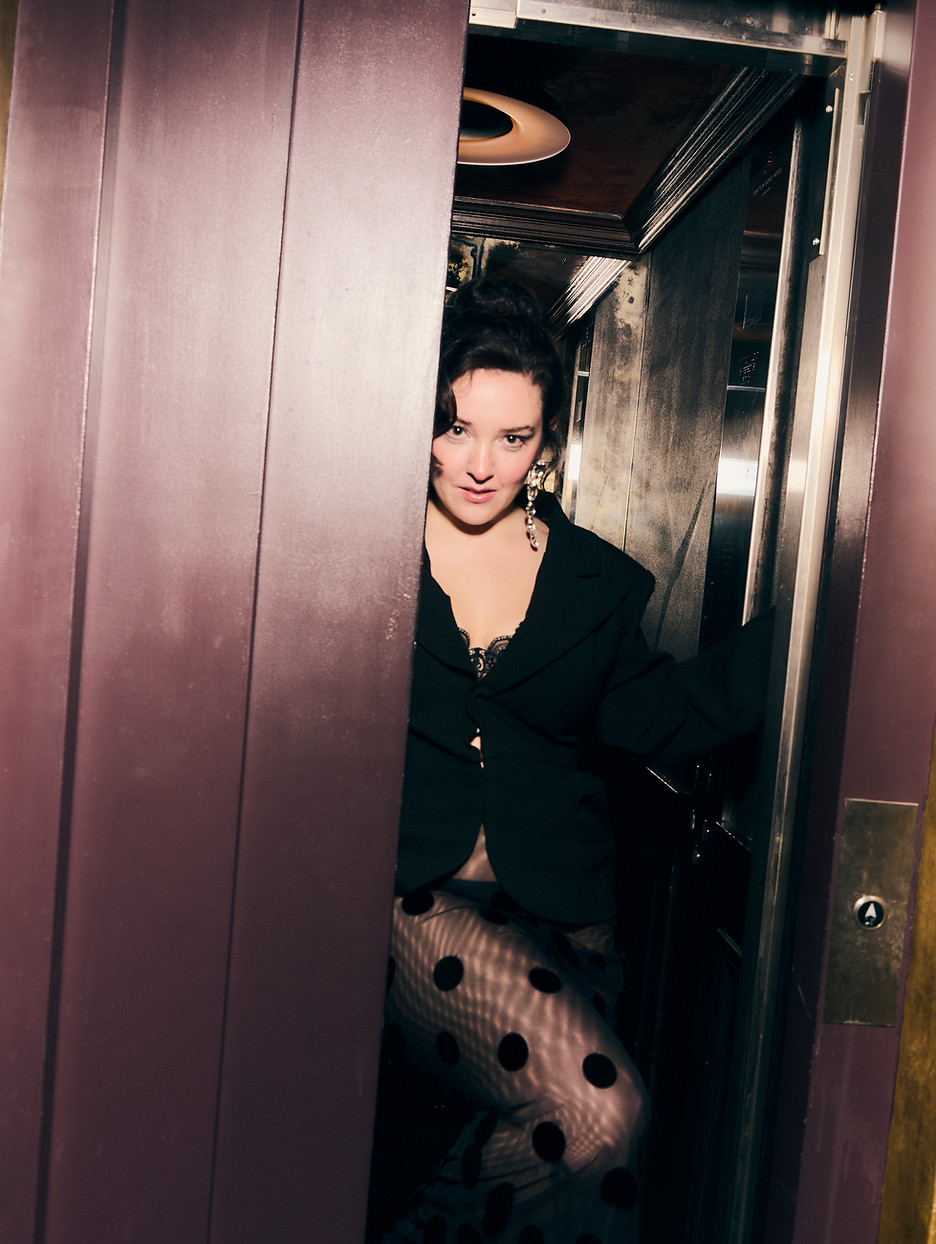


That sense of inheritance fed directly into “Better Than This”, a song she originally wrote as a Eurovision submission, built on chords that nod to Danny Boy and a strumming pattern reminiscent of “Castle on the Hill.” Written with the Eurovision stage in mind, it layers simple, universal words like “stay”, “go” and “wait” over a chorus designed for thousands of strangers to clap and sing together, a structure she tested night after night on tour.
Now, as she prepares to move to London full‑time, Casey is less interested in the optics of another legacy‑act support slot although immensely grateful and more focused on building a life where her personal and professional worlds finally exist in the same city. For years, she has split her time between the U.S. and the UK, spending up to seven months a year here without a permanent base, playing the Palladium while friends back home have no idea what the venue is.
Behind the performances, Casey’s career is held up by an exhausting amount of invisible admin. With no label or inherited industry connections, she has had to teach herself everything from which companies can actually get a Christmas single into Walmart to how to show up at a shoot with full looks, hair tools and backup outfits “because I’ve been to shoots where there wasn’t a team.”
Every creative decision is weighed against a brutal calculus: will this build fans, or build brand? The Kelly Clarkson performance that helped her land the James Morrison tour is a perfect example of the “qualifiers” she now looks for, the kind of calling cards that can sit in an agent’s pitch email and quietly unlock the next opportunity. It’s why turning down smaller legacy tours feels both necessary and terrifying; saying no to something impressive on paper is the only way to protect the energy she needs for work that actually moves her career forward.
Paradoxically, for someone who will stand in front of 10,000 people, read out a comment calling her fat, cry and then sing “Skinny”, the internet is the one room where she doesn’t yet feel safe. On stage, she trusts her instincts completely, confident she can “feel the room” and tell the absolute truth without flinching.
Online, that ease disappears. Her TikTok following is built almost entirely from people who have met her in person, because she hasn’t had the viral moment or found a way to translate her live‑room intimacy into content. Yet she is acutely aware that a 16‑year‑old who can’t get to a Cologne show could still stumble across one of her songs and feel less alone if she can figure out how to show up on camera with the same unapologetic openness she brings to a VIP meet‑and‑greet.
For now, she is treating the next chapter the way she approaches most things: as an experiment. “I’m making it up as I go,” she shrugs, half‑amused, half‑defiant, intent on finding a way to let her career snowball instead of pushing it uphill by hand. When she asks people to follow her on Apple Music or Spotify, it is not a throwaway line; it’s an invitation into the part of the work she cares about most, the songs that have carried her from a bedroom in the U.S. to arena stages across Europe and, soon, to a new life in London.
Creative
Photography Lucy Ranson @lucyranson_
Styling Natalie Fajer Wood @nataliefajerwood
HMUA Katie Coleridge @katiecolridgemua
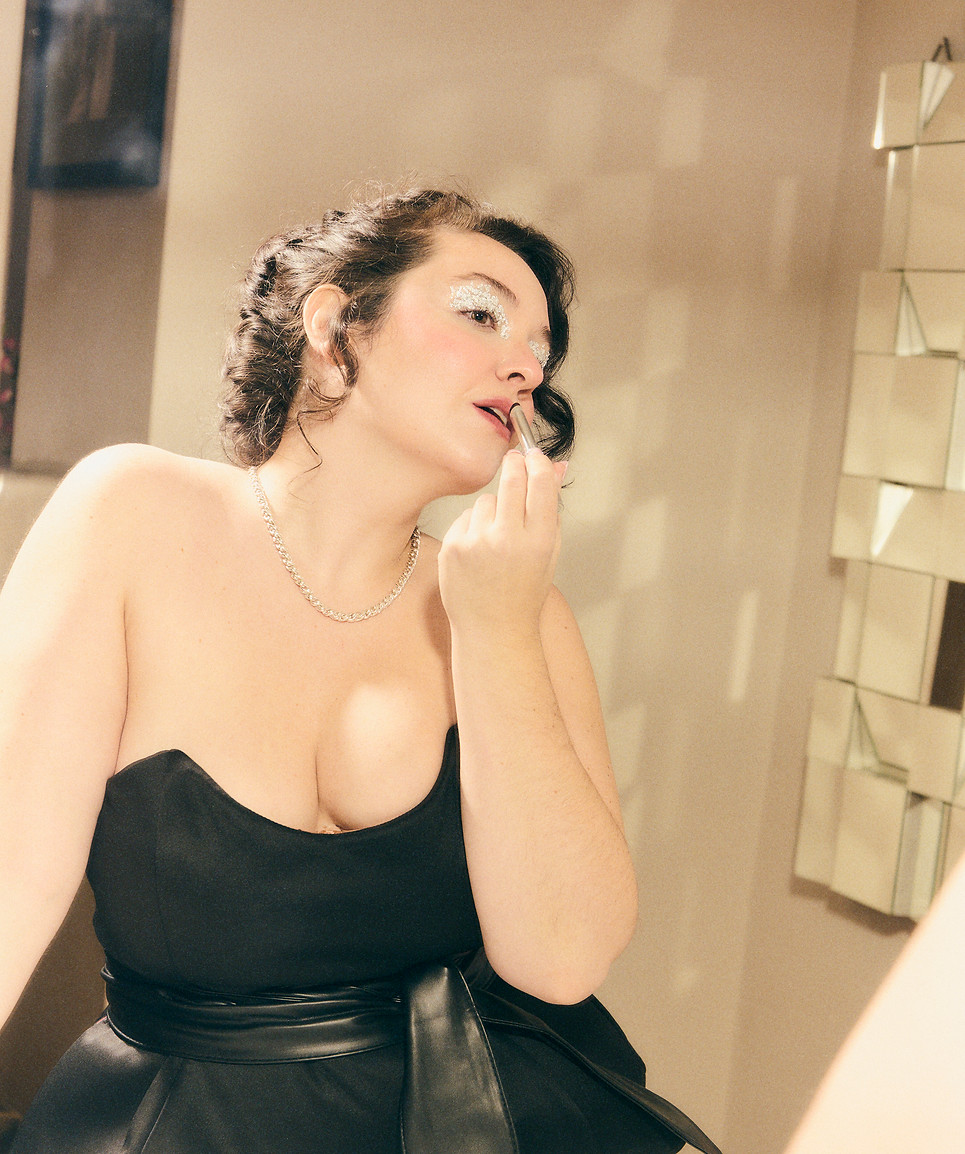
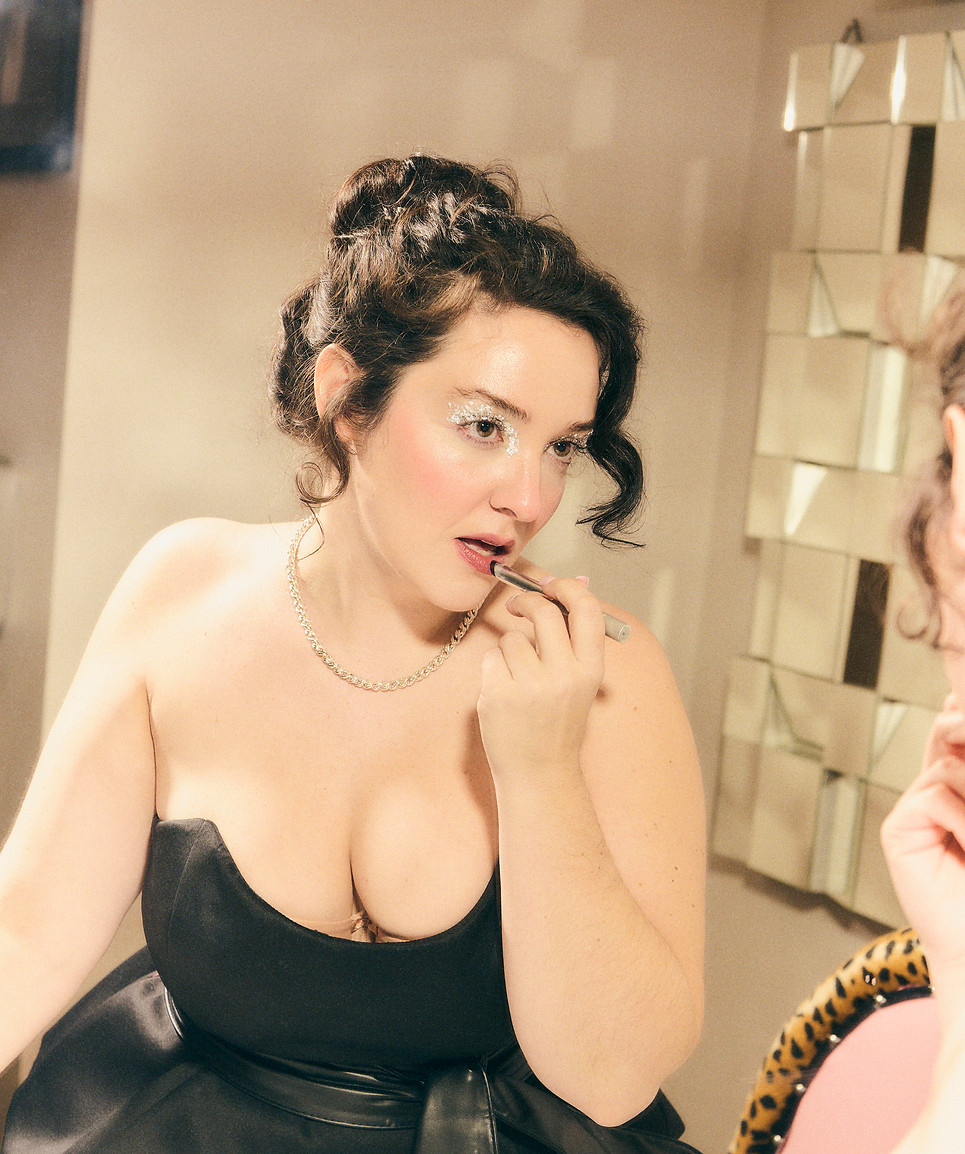
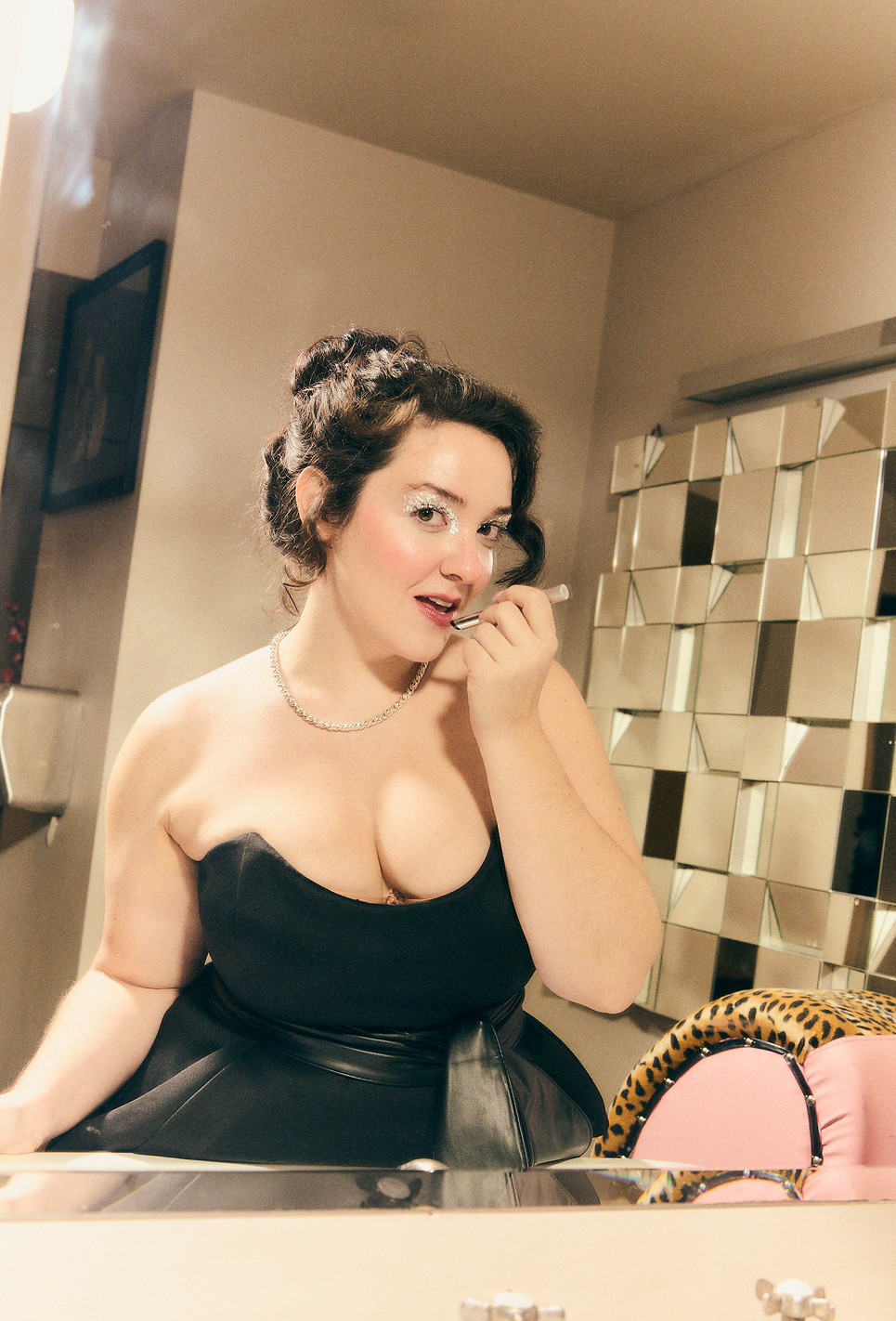
Dress, ASOS. Boots, models own.
Top, Zara. Trousers, Zara. Shoes, Pretty Little Thing.